In my last post, I asked, “Are you fasting or feasting for Lent? At the time, I was still pondering what my Lenten practice might be this year. I considered giving up listening to the radio or podcasts when I’m driving. I’ve done that for Lent a few times in the past, but it would have less impact now that I’m working from home and not commuting every day. I considered adding something, but what?
Then it occurred to me that perhaps I was thinking too narrowly about fasting or feasting. Why would I need to choose between one or the other? Or to complicate matters by giving up something and adding something else? What practice during these weeks of Lent might serve as a reminder of Jesus’ sacrifice and deepen me spiritually?
Enter the Enneagram
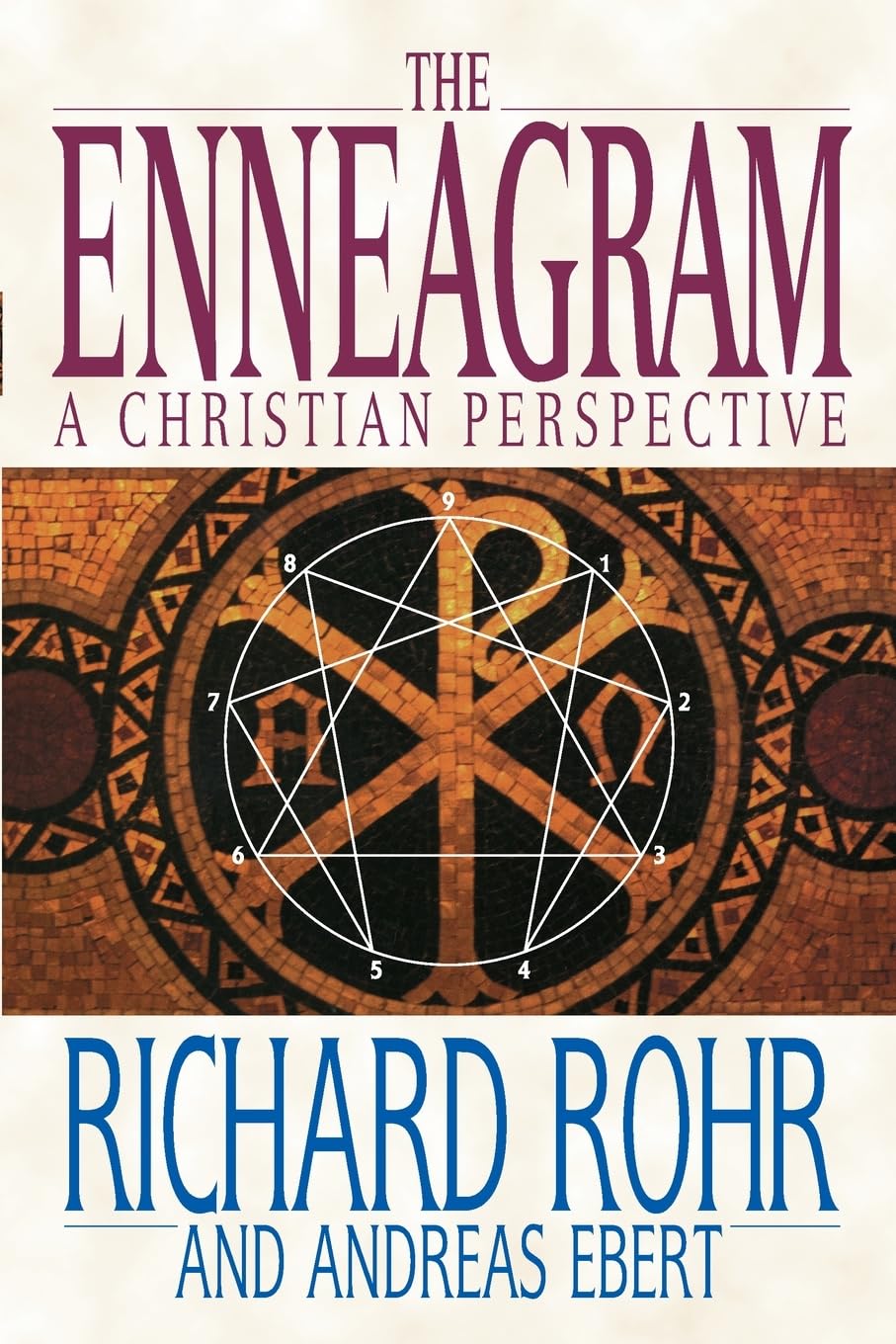
That’s when I decided to explore the Enneagram, sometimes described as a personality test or a tool for personal growth, dismissed by some as “new age,” yet embraced by others as compatible with biblical teaching, and used even in some seminaries as part of training pastors. I know some who have taken the Enneagram and speak positively about how it helped them reflect on who God created them to be, and so deepened their relationship with God. Others say that the Enneagram is pseudoscience focused on self-realization instead of Christ.
I’ve never tried the Enneagram myself. I generally stay away from personality tests because I don’t like being pigeon-holed or labelled. (And yes, there’s probably a personality pigeon-hole for that attitude too!) Plus, I’ve heard too many people excuse their behaviour by appealing to some personality test that told them they’re an introvert or an extrovert, as if they can only and always behave one way.
Yet once I finally took the Myers-Briggs Personality Indicator—arranged by my denomination for all church staff teams—I did find it somewhat helpful, especially since we also had a psychologist explain and interpret the results with more nuance. Perhaps the Enneagram might also be helpful to me if I would give it a chance. As a Lenten practice, I could think of it as giving up my stubborn avoidance to take up a posture of curiosity.
Jesus and the Enneagram?
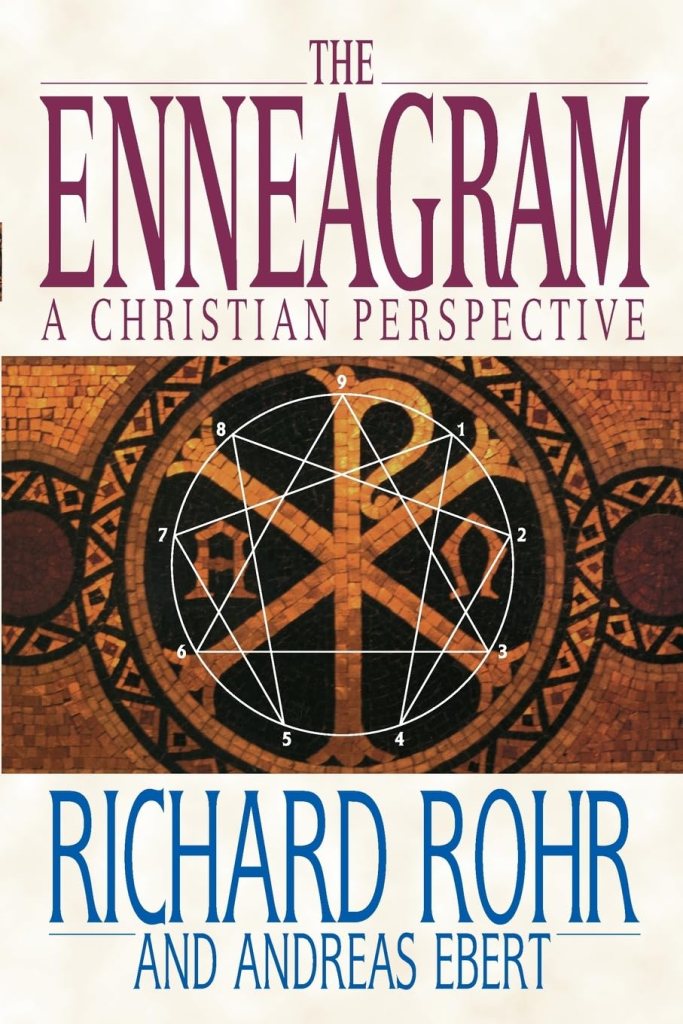
In that spirit, and as I explore the Enneagram over the next weeks, I’ll reflect on what it means to be human made in God’s image. I’ll reflect on Jesus, who set aside divine power to become human, then gave up his human life to suffer, die, and rise again for the sake of the world. I’ll think of my own spiritual journey with God through this Lenten season and beyond.
Have you had personal or church experience with the Enneagram? If you have any cautions or wisdom to share, please help me and others by leaving a comment.







 When You Work for the Church
I’d love to hear from you: