“Have you ever led a Bible study?”
I was surprised at the question, asked just after our morning worship had ended. I’d led many Bible studies in my former church as part of adult Sunday school and in home groups. My new congregation had a well established practice of bi-weekly prayer and share evenings that sometimes included Bible study or some other kind of teaching, personal testimonies or a guest speaker, and always time for prayer. But those prayer evenings had ended with the pandemic and never re-started. Perhaps it was time for something new.
“Yes,” I said, “Most often focusing on the biblical text and sometimes using a study guide with questions. Would you like to start a Bible study?”
A New Bible Study Group
By the time I left the church, five people had expressed their immediate interest, and from our brief conversations, the best time seemed to be alternate Friday mornings, 10 a.m. to 11:30 a.m. That fit well with my other commitments, and since this would be something new for the church, I suggested we experiment with a short series. Then we could decide whether to continue, or take a break, or simply end our experiment with thanks.
Before going any further, the next week, I tested the idea with the chair of our board of discernment. With our annual meeting to come, soon followed by Easter, I suggested a series of four Bible studies starting after Easter that we could announce at our annual meeting. We could call it “After Easter with Jesus,” and focus on the last two chapters of John’s gospel with its four post-resurrection appearances of Jesus.
At our annual meeting, we sent around a sign-up sheet asking people to indicate their interest, and nineteen people joined the list!
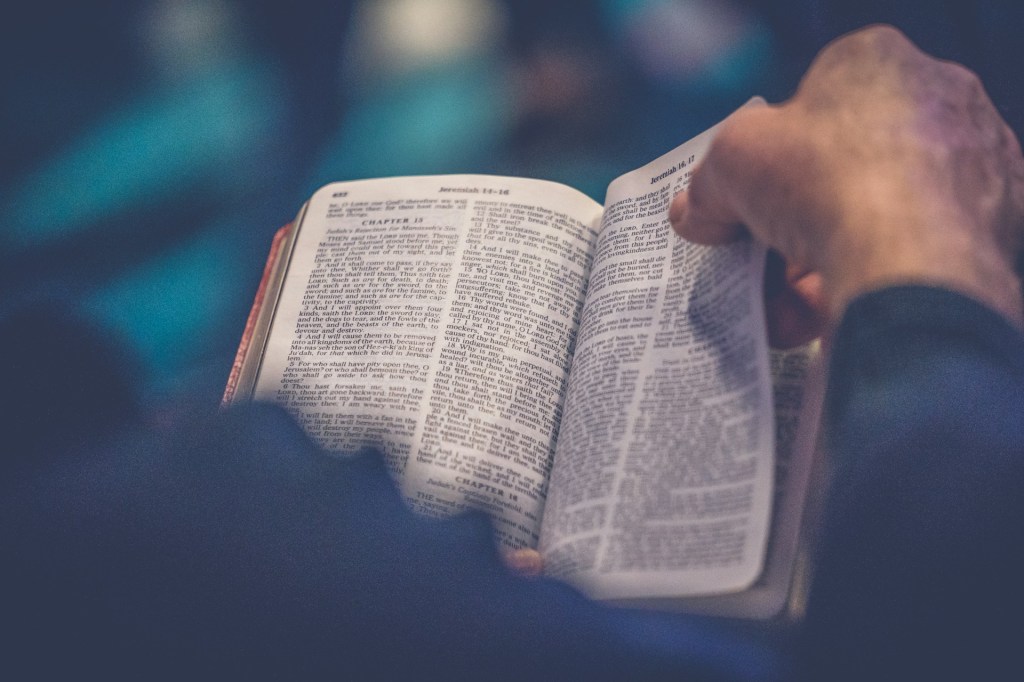
A New Way to Study the Bible
Meanwhile, I’ve also been serving as a spiritual formation mentor for a Doctor of Ministry student. In one of her papers, she reviewed Christine Eaton Blair’s “Five R’s Method of Bible Study”:
- Remembering
- Reflecting
- Revisiting
- Reinterpreting
- Responding
I was especially struck by the initial step of remembering what we already know (or think we know!) about a text. In contrast, classic inductive Bible study focuses on the three steps of observation, interpretation, and application, as if approaching a text without any prior knowledge.
But in our group, I knew there was already a high degree of biblical literacy. Most would have heard at least one sermon—and quite possibly more—on Jesus appearing to his disciples. Some would have studied the familiar texts and even preached on them. So why lead a Bible study as if we were all approaching the text for the first time? Why not draw on that wealth of reading, knowledge, and experience?
And hmmm, what about another R: Reading the text? And instead of simply reading the text and jumping immediately into teaching and/or discussion, what if we began with lectio divina?
Lectio divina is one of my favourite ways of reading Scripture. Instead of quickly skimming through, the way I might read a casual blog post or catch the news highlights, lectio divina helps me to slow down and pay attention:
- First, reading a short portion of Scripture slowly and prayerfully for the big picture.
- Then reading a second time, noticing where God directs my attention to a particular word or phrase.
- Then reading a third time, asking God for what that word or phrase might mean for my life today.
Drawn from the monastic tradition, the practice of lectio divina is a form of prayer—not focused on what I want to say to God, but a way for me to listen for what God has to say to me. In a group setting, I love hearing how others experience lectio divina. What word or phrase did God bring to their attention? What questions or insights or practical applications arose from their deep reading of the text?
I’ve led groups in lectio divina as a spiritual practice many times, yet never as part of a Bible study. But why not? Practicing lectio divina together would be an excellent way to focus on the text . It would help level the ground between the more introverted and the more extroverted, between those with more biblical knowledge and those with less formal training. Lectio divina would give all of us space for reflection and encourage all of us with something we could share.
So for “After Easter with Jesus,” I developed my own version of the five r’s of Bible study:
- Read: Lectio divina, with my reading aloud the text slowly and prayerfully three times, with a short silence between each reading.
- Reflect: Starting with a reflection question: where did God direct your attention in the text, to what word or phrase? In our very lively group, this quickly moved us from key words and phrases to questions, insights, and practical applications.
- Remember: What can we add to our reflection from what we already know or remember about the text? Our discussion most often moved freely from reflect to remember without any prompting. Different ones in the group shared out of their previous study, or made connections with other Scripture passages, or read something from the margins of their study Bible, or asked a question, or added a story.
- Relate: I prepared for our study by noting the overall structure, background information, scholarly research, word study, and anything else that related to our text. Then when we met together, I sometimes began with what I had prepared as an introduction even before our lectio divina. More often, it was during the ebb and flow of our reflecting and remembering that I related what I’d learned in my preparation, as all of us related to the text and to one another in our discussion.
- Respond: To draw our study to a close, we considered how we might live in response to what we had heard from God and from one another. We closed in prayer with thanks for our time together, with any specific requests, and a view to relating Scripture to our daily lives, living in response to what we had learned.
What’s Next?
I was glad for the wide circle of support for the Bible study: for the nineteen who indicated their initial interest and the encouragement of the leadership and congregation as a whole. As it turned out, due to timing, existing commitments, and other reasons, we had between eight and fourteen people at each Bible study. Some who couldn’t make it, wondered if we could meet on a different day. Or in the evening. Or start later in the morning and have lunch after the Bible study.
I’d love to see other groups develop at different times, and if anyone would like to make lunch for our Friday group, please let me know! But for now, I’m excited that our Bible study decided to continue throughout the summer. Alternate Friday mornings just happen to fall between some of my time away in the next few months, and while different ones may need to miss some Fridays due to travel or other commitments, that’s already been the case. There seems to be enough of a core group to continue meeting, and there may be others who may actually have more time to meet in summer.
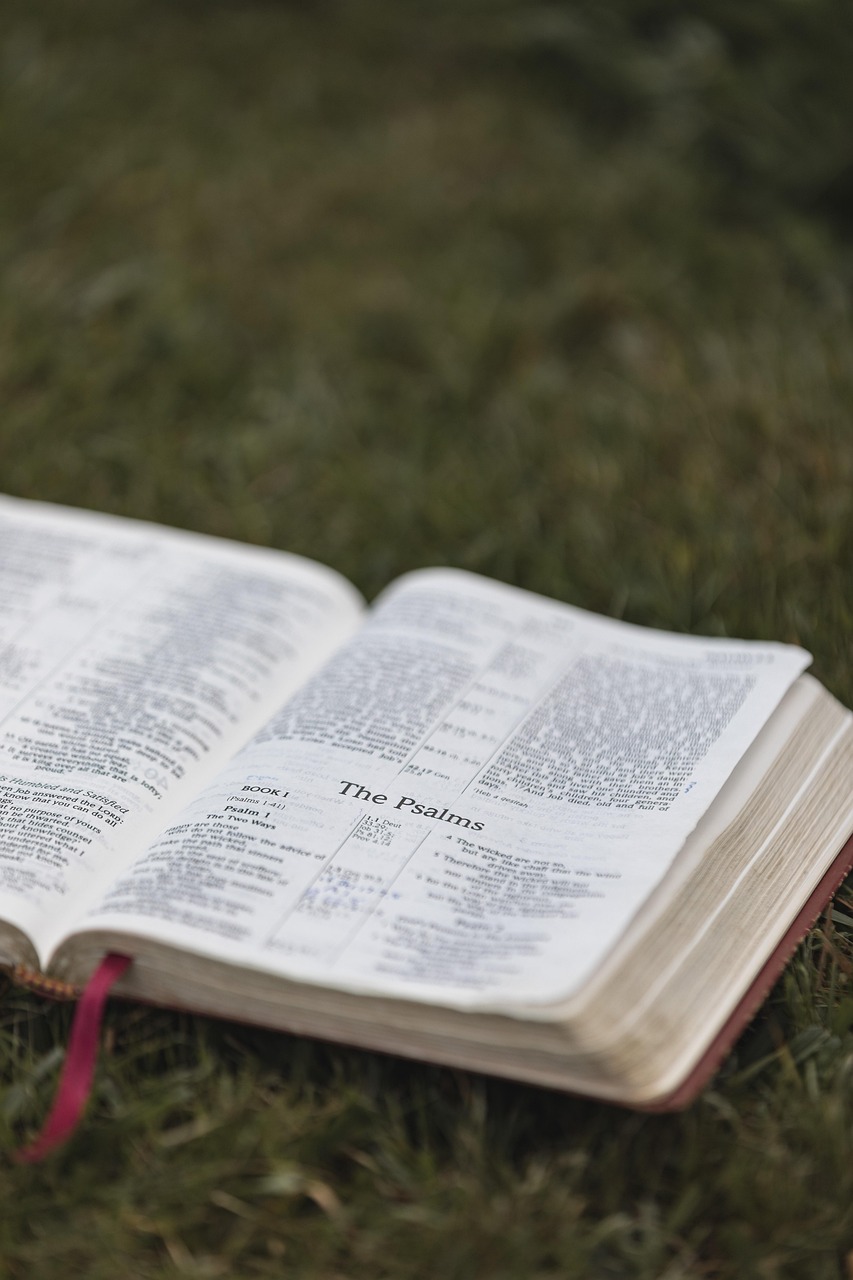
So for June through August, I ‘m planning a summer Bible study series focused on Psalms. There are seven major categories of Psalms and seven Fridays, so I’ll choose a psalm for each Friday, and we’ll go through all seven categories. I’m already looking forward to our Psalms for Summer!
I know that many churches take a break for the summer, with Bible studies, home groups, and other regular ministries on pause. Some change things up, like pausing regular Sunday school classes, but adding in vacation Bible school, or other summer ministries. I’m used to that rhythm too, so this will be a first for me to lead a summer Bible study. What ministries continue throughout the summer in your congregation? What ministries pause or change in some way? I welcome your comments below.



 When You Work for the Church
I’d love to hear from you: