I was surprised when our new Bible study group wanted to continue meeting over the summer. We had started after Easter, which I thought was rather late in the September-to-June rhythm of ministry followed by many churches. But once we got started, our “After Easter with Jesus” series went very well, and the group clearly enjoyed being together. So, while some might need to miss here and there during the summer, we agreed to continue gathering for Bible study every second Friday morning.
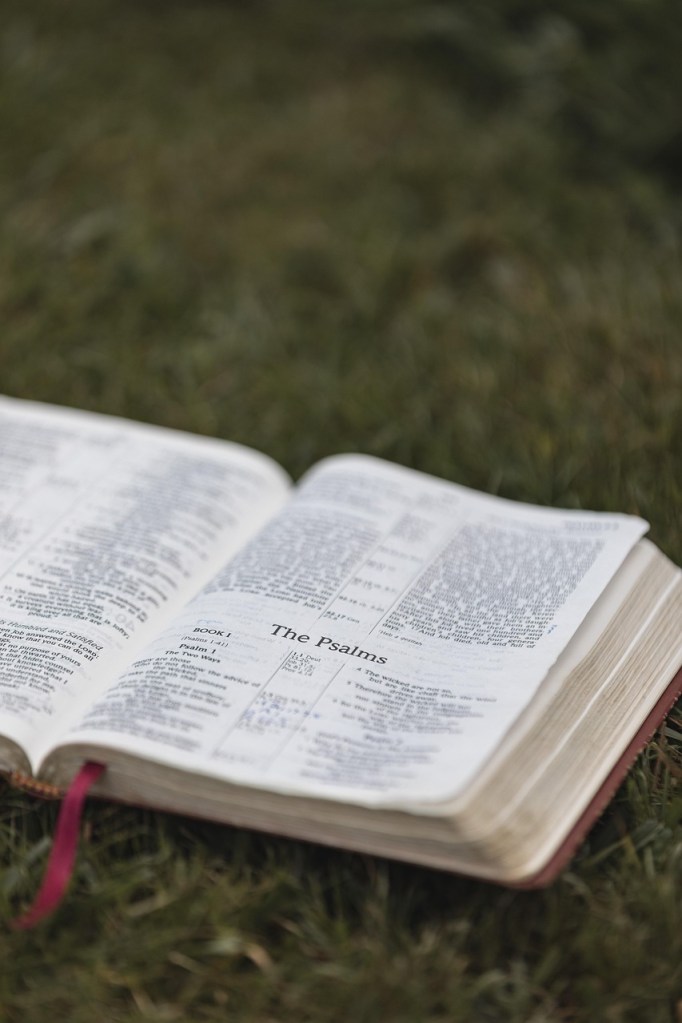
Instead of going through a book of the Bible, I suggested a summer series on selected Psalms. This would give some continuity to our study, yet anyone who might need to miss a Friday could easily jump back in. With seven Fridays over the summer, we could focus on the seven major categories of Psalms, with a different Psalm representing a different category for each of our sessions.
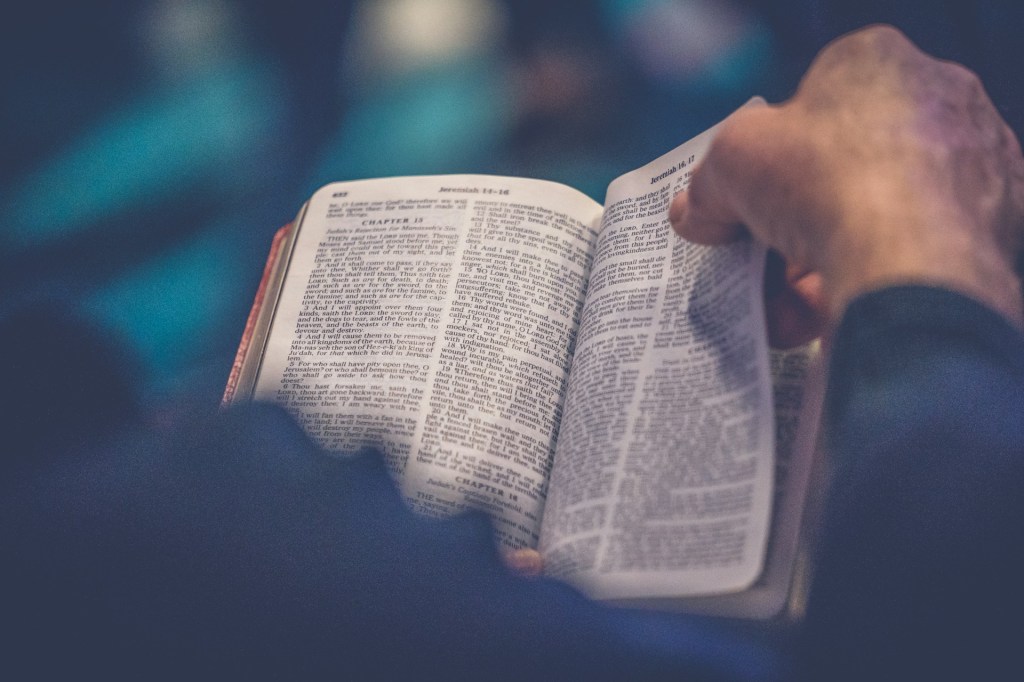
[Image by Petra Riddell from Pixabay]
I have long appreciated How to Read the Psalms by Old Testament scholar Tremper Longman III. His clear and careful scholarship and Christ-centred focus in reading the Psalms has made it a helpful resource for study, teaching, and preaching. So, following Dr. Longman’s categories, I chose the following Psalms for our “Psalms for Summer” series:
- Psalms of Praise/Hymns: Psalm 98, which inspired the classic hymns, “Joy to the World” and “Joyful, Joyful, We Adore Thee.”
- Psalms of Thanksgiving: Psalm 30, like other psalms of thanks, written in response to answered prayer.
- Psalms of Lament: Psalms 42 and 43, since these two psalms were quite likely meant to be read together as one psalm.
- Psalms of Confidence: Psalm 16, which references resurrection and is quoted in the New Testament (Acts 2:27–28, 13:34–35).
- Psalms of Remembrance: Psalm 136, like other psalms of remembrance, recounts God’s acts in history, and adds a unique refrain highlighting God’s enduring love.
- Psalms of Wisdom: Psalm 1, which introduces the book of Psalms.
- Royal Psalms: Psalm 96, with its focus on God as king (compared with Psalm 20, which references an earthly king).
In “Psalms for Summer,” I’ve continued to adapt the five R’s of Bible study introduced in our “After Easter with Jesus” series, and they’ve now become:
- Review – A brief recap of previous sessions.
- Read – We’ve read the psalms together in different ways each time:
- As a hymn of praise, we read Psalm 98 together in unison, like singing a hymn together, but without the music and different parts.
- As a psalm of thanksgiving, we read Psalm 30 as a responsive reading, since we often read psalms that way in our Sunday worship.
- For the personal lament of Psalm 42, we returned to our practice of lectio divina as in our “After Easter with Jesus” series. I’m still thinking about other ways to read the rest of our Psalms.
- Remember and Reflect – These two movements tend to blend together in our study of the text.
- Sometimes I start with sharing some of my research: e.g., the way Psalm 98 is written as a three-stanza hymn, beginning with a call to worship addressed to the people of Israel, then calling on all people, and finally calling on all creation.
- At other times, I start with a question: e.g., for Psalm 30, “what can you tell from the psalm about what the psalmist had been praying for?”
- Our conversation is always thoughtful, lively, and often punctuated with personal stories and good humour.
- Respond – How will we respond to this psalm in our daily lives? As we close our study, we also take time to share any concerns and end with prayer.
I share this here as a reminder to myself about the way the Bible study has been growing and changing over time, as a progress report for my Bible study group and congregation, and to encourage readers and churches in personal and small group Bible study.
May we be rooted and grounded in the Word of God.
And may the meditations of our hearts,
the words of our lips,
and the conversations we share
encourage one another to love and good works,
bringing honour to God, our strength and saviour.
(adapted from Psalm 19:14)




 When You Work for the Church
I’d love to hear from you: